
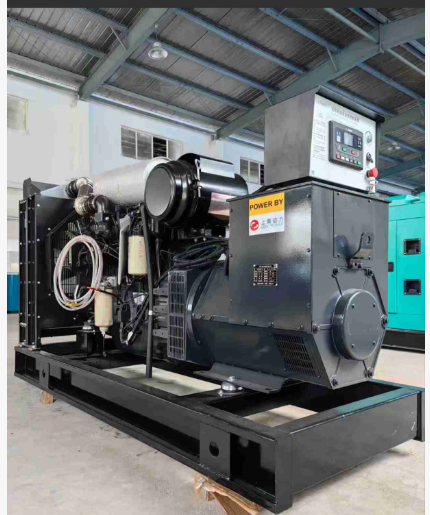
Marine generator sets serve as the core equipment of ship power systems, ensuring the safety of ship navigation, operation, domestic power supply and emergency power supply. Ships always operate under harsh working conditions including high humidity, heavy salt spray, continuous vibration and variable temperatures, making generator sets prone to component corrosion, wear, loosening and leakage failures. To guarantee long-term stable operation of the equipment, extend its service life and eliminate potential navigation safety hazards, this standardized daily maintenance regulation is formulated, covering daily inspection, periodic maintenance, fault disposal and safety specifications.
I. Pre-Start Daily Inspection (Daily Mandatory Work)
A comprehensive static inspection shall be completed before the start of the generator set every day to avoid starting the unit with faults, which is applicable to all working conditions including navigation, berthing and anchoring.
1.1 Appearance and Environmental Inspection
Inspect the internal environment of the generator room to ensure smooth ventilation, no accumulated sundries, no flammable and explosive articles, and no residual oil pollution or water accumulation. Check the overall appearance of the generator set; the fuselage, protective cover and shell shall be free of deformation, damage and loosening. All foundation fixing bolts shall be intact and fastened, and the unit shock-absorbing pads shall have no aging, cracking or falling off. Clean salt spray, dust and oil stains on the unit surface to prevent heat dissipation components from being covered by sundries and causing poor heat dissipation.
1.2 Fuel System Inspection
Check the fuel tank level to ensure sufficient fuel for operation and standby requirements; never operate the unit with insufficient fuel. Inspect fuel pipelines, joints and valves for no leakage, aging or cracking, with firmly fixed pipelines free of wear and extrusion deformation. Check the pressure difference of the fuel filter and monitor filter blockage; handle faults timely if the pressure difference exceeds the standard or the filter element is black or accumulated with excessive water. Meanwhile, drain accumulated water and impurities from the bottom of the fuel tank through the drain valve to avoid insufficient power and fuel injector damage caused by oil-water mixture.
1.3 Lubrication System Inspection
Check the engine oil level in a shutdown state; the oil level shall be between the upper and lower scales of the dipstick. Supplement qualified special marine engine oil of the same model if the level is too low. Troubleshoot faults and replace the engine oil if the oil level is excessively high, or the oil is black, diluted or mixed with impurities. Inspect oil pipelines, oil seals and interfaces for no leakage, and ensure the oil filter is firmly fixed and unblocked to confirm normal lubrication pressure without potential hazards.
1.4 Cooling System Inspection
Check the liquid level of the expansion tank and radiator to ensure the coolant level meets the standard; supplement qualified anti-freezing and anti-rust coolant of the same specification according to the water temperature of the navigation waters if insufficient. Inspect cooling water pipelines, joints and water pumps for no leakage or loosening. Keep radiators and cooling fins free of sundry blockage and dust accumulation to ensure unobstructed heat dissipation and ventilation. Verify the cooling fan is firmly fixed and undamaged, with the transmission belt in proper tightness and free of cracking, aging and slipping.
1.5 Electrical System Inspection
Check battery terminals for no oxidation, loosening or corrosion with firm connections. Ensure normal battery voltage, qualified electrolyte level and no liquid leakage or battery bulging. Inspect power distribution cabinets, terminal blocks and cable lines for no aging, damage, scorching or loosening, with complete insulation layers and no short circuit or electric leakage risks. Confirm instruments, indicator lights and alarm devices display normally, and emergency stop buttons and protection devices are in good standby condition.
II. In-Operation Inspection (Full-Cycle Monitoring During Operation)
After the unit runs normally at no load, conduct full-cycle dynamic monitoring during loaded operation with inspections every 1 to 2 hours to detect abnormal working conditions in a timely manner.
2.1 Operating Parameter Monitoring
Real-time monitor the unit speed, frequency, voltage and current to ensure stable parameters within the rated standard range without severe fluctuation. Monitor engine oil pressure, coolant temperature and exhaust temperature; keep the oil pressure within the normal working range and avoid over-high water and oil temperatures. Prohibit long-term overload operation of the unit and reasonably distribute electrical loads to prevent equipment damage caused by overload.
2.2 Operating Condition Inspection
Listen to the operating sound of the unit; normal operation features stable and uniform sound without knocking noise, abnormal vibration or exhaust noise. Observe the unit vibration; no severe shaking or resonance shall occur, and all components shall have no abnormal vibration displacement. Check exhaust smoke color: light smoke indicates normal operation, while black smoke refers to insufficient combustion, blue smoke refers to engine oil burning, and white smoke refers to water inflow fault. Shut down the unit for troubleshooting immediately if abnormal smoke occurs.
2.3 System Leakage and Temperature Inspection
Re-inspect fuel, engine oil and coolant pipelines during operation to ensure no dripping, leakage or jetting. Check the temperature of the fuselage, pipelines and terminal blocks for no local overheating, and confirm no abnormal temperature rise of the generator stator and rotor. Inspect the exhaust system to ensure no air leakage, loosening or damage of exhaust pipes and mufflers with smooth exhaust.
2.4 Protection Device Test
Observe the indicator status of protection devices for overpressure, over-temperature, overload, under-voltage and over-speed. Confirm the protection system is normally put into operation with sensitive and effective alarm functions, free of failure, false alarm and missing alarm.
III. Post-Shutdown Maintenance (Daily Post-Operation Maintenance)
Standard shutdown and post-operation maintenance shall be performed after the unit completes operation to eliminate hidden dangers of current operation and prepare for the next start.
First unload the load, run the unit at no load for 3 to 5 minutes before normal shutdown. Forbid emergency shutdown with load and instantaneous power-off shutdown to avoid impact damage to components. After shutdown, thoroughly clean oil stains, dust and salt spray deposits on the unit surface to keep the equipment clean and prevent salt spray corrosion on the fuselage and electrical components.
Check the status of all pipelines, joints and seals to ensure no leakage, and fasten loose screws and joints. Eliminate water accumulation and dampness in the generator room, and turn on ventilation equipment to dry the room so as to prevent short circuit of electrical equipment caused by moisture. Check the battery charging status to ensure normal charging, then cut off the main power and control power of the unit for equipment preservation. Finally, fill in the Marine Generator Set Operation and Maintenance Log, recording operation duration, working condition parameters, abnormal conditions and treatment measures.
IV. Regular Special Maintenance (Periodic Maintenance)
4.1 Weekly Maintenance
Thoroughly clean sundries on radiators, cooling filter screens and generator room vents to ensure unobstructed heat dissipation. Check and adjust the tightness of fan and generator transmission belts, and replace severely worn belts in a timely manner. Drain accumulated water and impurities from fuel filters and fuel tanks, and clean the filter surface. Fully fasten all unit fixing bolts, foundation bolts and pipeline clamps to prevent loosening caused by vibration. Test the emergency start and automatic switching functions of the unit to ensure standby units can be put into emergency power supply normally.
4.2 Monthly Maintenance
Check engine oil quality; replace the engine oil and oil filter if the oil is turbid or deteriorated. Clean or replace air filters to avoid reduced combustion efficiency caused by air intake blockage. Inspect coolant quality, test coolant concentration, remove slight scale in the cooling system and replenish coolant. Check the status of generator slip rings and carbon brushes; replace carbon brushes with excessive wear and clean accumulated carbon powder to ensure good contact. Fasten all terminal blocks of the power distribution cabinet, inspect cable insulation layers and eliminate aging hidden dangers. Lubricate all moving parts and bearings of the unit with special grease to reduce wear.
4.3 Quarterly Maintenance
Thoroughly clean fuel and lubrication system pipelines, replace fuel filters and oil-water separator filters, and inspect the working status of fuel injectors. Perform deep scale cleaning on the cooling system, and check the working performance of water pumps and thermostats to ensure normal temperature control and water circulation. Test the insulation resistance and winding temperature of the generator, and eliminate aging and damage risks of stator and rotor insulation. Calibrate the accuracy of instruments, sensors and alarm devices to ensure accurate parameter display and sensitive protection action. Inspect the exhaust system, mufflers and corrugated pipes, and replace aging and damaged components to prevent exhaust leakage.
4.4 Annual Overhaul Maintenance
Shut down the unit for comprehensive disassembly and inspection of core components, overhaul diesel engine crankshafts, pistons, cylinders and valve assemblies, and replace components with excessive wear. Thoroughly clean the whole oil, water and air systems of the unit, and replace all wearing parts including filters, seals, oil seals and belts. Comprehensively test generator windings, insulation performance, excitation systems and voltage regulation devices, and repair electrical faults. Calibrate unit speed, voltage, frequency and various protection parameters, and complete commissioning, no-load test and load test of the whole unit to ensure compliance with performance standards. Perform anti-corrosion treatment on generator room equipment and spray anti-corrosion coatings to resist marine salt spray corrosion.
V. Emergency Handling of Common Abnormal Faults
1. Failure to start: Prioritize checking battery voltage and connections, and troubleshoot insufficient fuel, blocked oil pipelines and clogged air filters to eliminate air intake, fuel supply and power supply faults.
2. Abnormal operating noise and excessive vibration: Immediately reduce the load and shut down the unit for inspection. Troubleshoot loose bolts, damaged shock pads, worn bearings, abnormal cylinder operation and unbalanced load, and prohibit startup until faults are eliminated.
3. Over-high water and oil temperature: Immediately unload the load and run the unit at no load. Inspect the heat dissipation system, coolant level, water pump working condition and filter blockage, clean heat dissipation sundries, and troubleshoot pipeline blockage and thermostat faults.
4. Abnormal exhaust smoke: Black smoke is mainly caused by insufficient air intake, overload and fuel injection faults; blue smoke is caused by engine oil entering the cylinder; white smoke is caused by water inflow. Targeted maintenance shall be carried out on oil circuits, cylinders and sealing systems.
5. Unstable voltage and frequency: Check load fluctuation, excitation system and voltage regulation device faults, troubleshoot loose connections and electric leakage, and calibrate electrical parameters after stabilizing the load.
VI. Safety Maintenance Precautions
1. All maintenance operations must be carried out under shutdown and power-off status. Live and pressurized maintenance and illegal operations are strictly prohibited.
2. Maintain good ventilation in the generator room, prohibit open fire, clean oil pollution and waste oil in a timely manner, and take fire and explosion prevention measures.
3. Strictly use special marine engine oil, coolant, filters and other accessories; mixing different types of consumables is forbidden to avoid equipment damage.
4. Do not open protective covers or touch moving parts and electrical terminal blocks during unit operation to prevent mechanical injury and electric shock accidents.
5. Reduce unit maintenance operations under severe sea conditions and heavy swell navigation, and focus on equipment fastening, anti-vibration and water inflow prevention protection.
6. Truthfully fill in all maintenance records, establish equipment ledgers, track equipment operating status, maintenance cycle and fault repair conditions, and realize standardized operation and maintenance management.
VII. Maintenance Summary
The stable operation of marine generator sets is directly related to ship navigation safety and operation guarantee. Daily maintenance shall adhere to the principles of “daily inspection, regular maintenance, rapid fault disposal and full-process recording”. In view of the harsh marine working conditions of high corrosion, strong vibration and heavy load, regular cleaning, fastening, leakage inspection, calibration and wearing part replacement shall be implemented in daily work to eliminate potential equipment faults in advance, effectively extend equipment service life, ensure continuous, stable and safe operation of the ship power system, and meet all power demand for ship navigation, berthing and emergency operation.