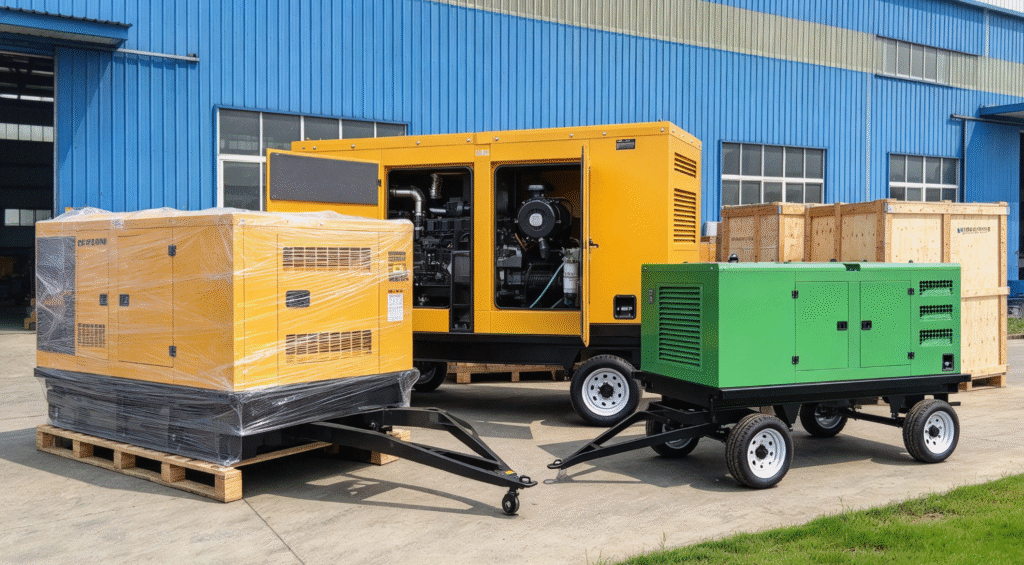
In the export business for generator sets, companies often focus on product quality, price, and delivery schedules while overlooking compliance standards regarding voltage and frequency in different countries.
Yet, this represents a critical, often overlooked barrier to entry. Many export orders proceed smoothly through initial communication and production, only to face issues—such as customs delays, inability to deploy the equipment, or customer returns and claims—upon arrival at the destination port due to electrical parameters that do not match local regulations or a lack of necessary compliance documentation.
For enterprises exporting complete generator sets, energy storage equipment, cooling system components, and maintenance consumables, thoroughly understanding global voltage and frequency systems and mastering customs compliance requirements is essential for successfully expanding into overseas markets and mitigating trade risks.
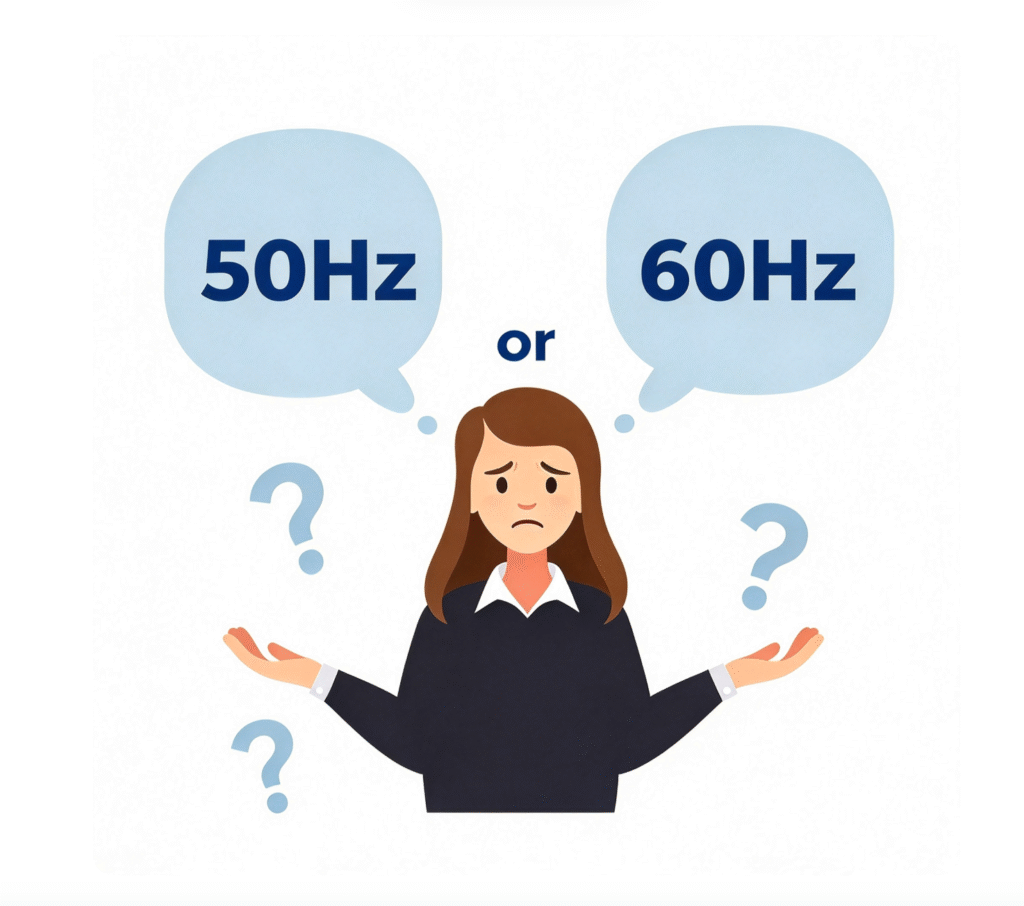
Global electrical systems for residential and industrial use are primarily categorized into two standards: 50Hz and 60Hz.
Each standard corresponds to specific voltage levels and covers the vast majority of countries and regions worldwide. The 50Hz system is the mainstream international standard, widely adopted across Europe, Southeast Asia, Australia, and most of the Middle East. It typically features single-phase 230V and three-phase 400V configurations and serves as the primary standard for Chinese generator sets exported to Southeast Asia and the Middle East.
Notably, engineering and industrial projects in Southeast Asian nations—such as Singapore, Malaysia, Thailand, Vietnam, and Indonesia—uniformly utilize this standard, ensuring the highest level of compatibility.
The 60Hz system is primarily used in North America and the surrounding regions, including key markets such as the United States, Canada, Mexico, and Brazil.
It typically operates on single-phase 120V and three-phase 208V/480V. These voltage parameters differ significantly from the Chinese standard, making the systems incompatible for direct use (though wiring adjustments can sometimes alter phase and line configurations).
Additionally, some countries present unique scenarios where dual standards coexist, with differing electrical standards across cities, industrial zones, and residential areas.
Relying solely on national-level specifications can easily lead to equipment incompatibility; therefore, it is crucial to precisely confirm the electrical parameters of the project site with the client before customizing the generator sets.
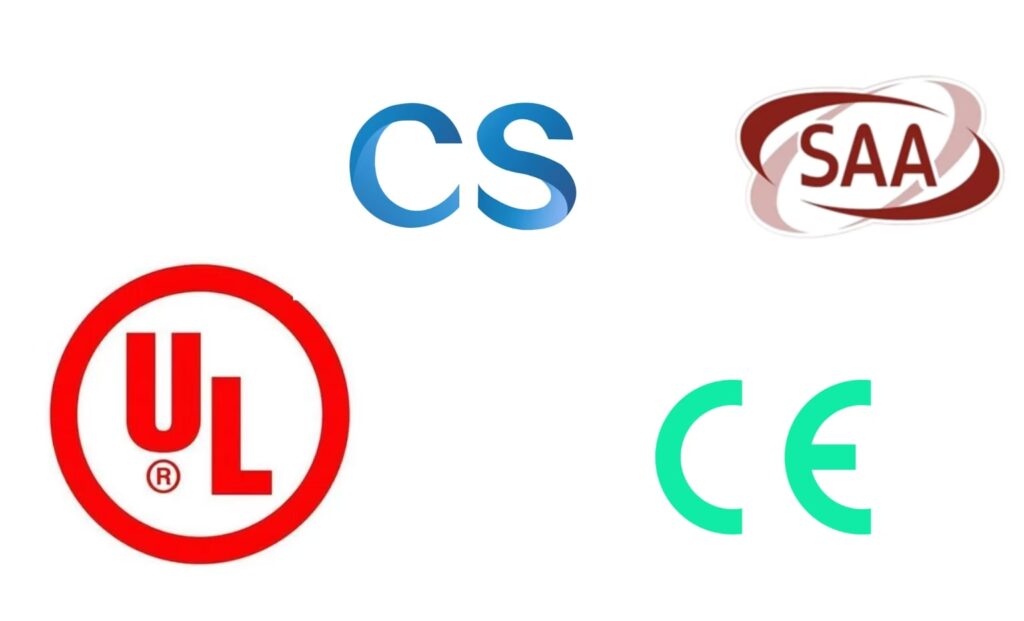
Beyond core parameters like voltage and frequency, exporting products involves meeting rigorous electrical certification and accessory standards—details where many foreign trade enterprises often stumble.
Exports to the EU require CE certification for generator sets and their associated control cabinets and wiring components;
Exports to the US and Canada must meet UL safety standards;
And the Australian market strictly enforces AS electrical industry codes.
Crucially, compliance applies not only to the generator set itself but also to the full suite of exported accessories—such as oil coolers, intercoolers, heat exchangers, water pumps, and gaskets—which must meet regional safety regulations; consistent certification documentation for the entire product package is essential for smooth customs clearance.
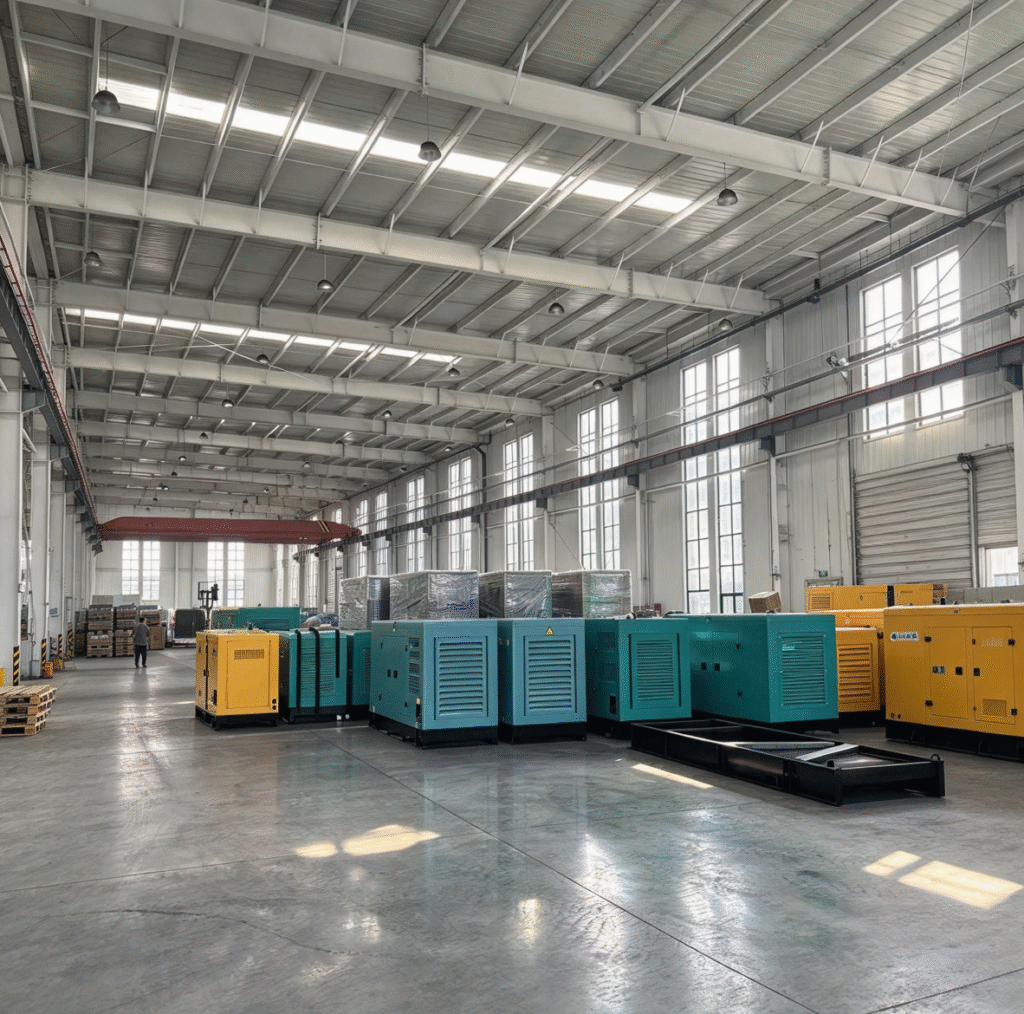
Standardized customs documentation is paramount for successful export clearance and directly determines the speed of cargo release. Commercial invoices, packing lists, and customs declarations must accurately and completely list core parameters—such as rated power, voltage, frequency, and phase count—ensuring they match the equipment nameplate and test reports exactly, while avoiding abbreviations, errors, or discrepancies.
Furthermore, equipment nameplates must display information in English or the local official language, with clearly legible parameters. To address inspection requirements in certain countries, one must prepare Certificates of Origin, product test reports, and compliance certificates in advance to prevent cargo delays at ports and the resulting high storage or demurrage fees.
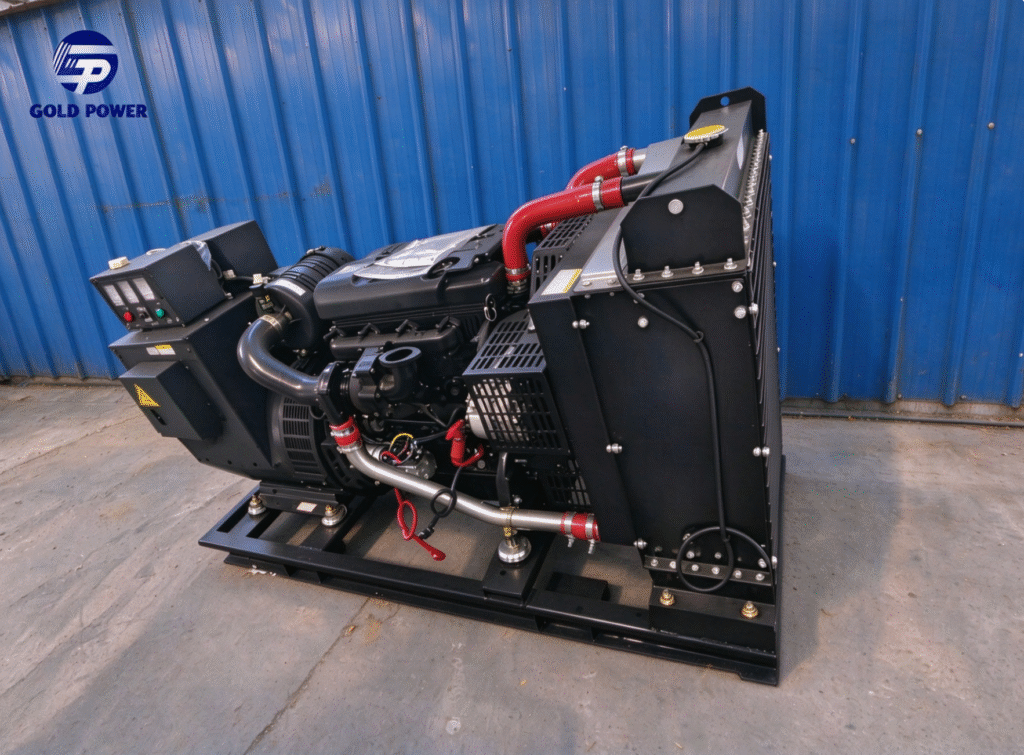
Overseas engineering clients increasingly favor a “generator set plus backup energy storage” power supply configuration, making parameter compatibility between the two systems critical.
Voltage, frequency, and phase must align perfectly; otherwise, parallel operation fails, leading to power supply malfunctions or equipment damage that can derail the project.
Leveraging our comprehensive product portfolio, we provide one-stop customization of generator sets, engines, cooling system components, and small consumables tailored to specific national power standards, ensuring the entire power supply system is fully compatible and compliant.
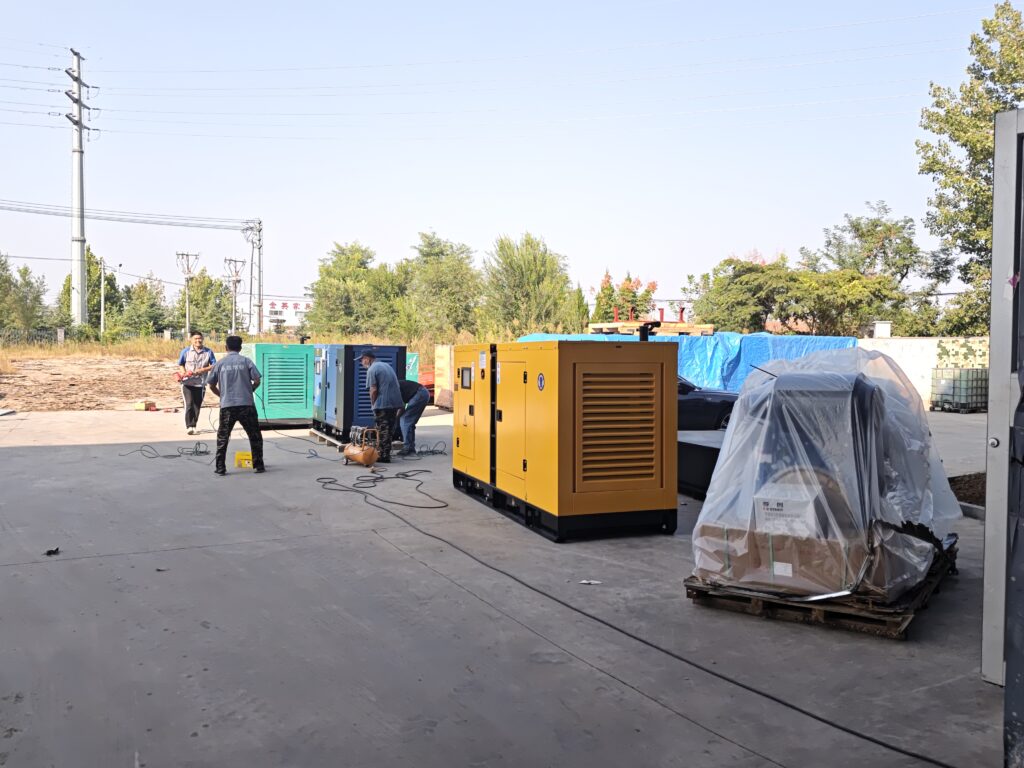
In summary, exporting generator sets is not merely a matter of shipping products; it is a systematic undertaking requiring standardization and strict regulatory compliance.
Accurately matching the voltage, frequency, and standards of various countries, compiling complete compliance certification documentation, and ensuring standardized customs clearance information not only mitigates trade risks and reduces after-sales costs but also boosts overseas customer trust, thereby helping enterprises cultivate a long-term presence in the global generator set market.