In overseas construction sites, mines, marine operations, and industrial or commercial backup power applications, the stable output of diesel generator sets is the cornerstone of continuous operational productivity.
While many operations and maintenance (O&M) teams focus heavily on engine oil and radiator condition, they often overlook the intercooler—a critical component in the turbocharged intake cooling system.
As the heart of the turbocharged intake system, an intercooler failure disrupts the balance of the entire cooling system, triggering a chain reaction of faults that can lead to unexpected generator shutdowns, resulting in project delays, production interruptions, and other significant losses.
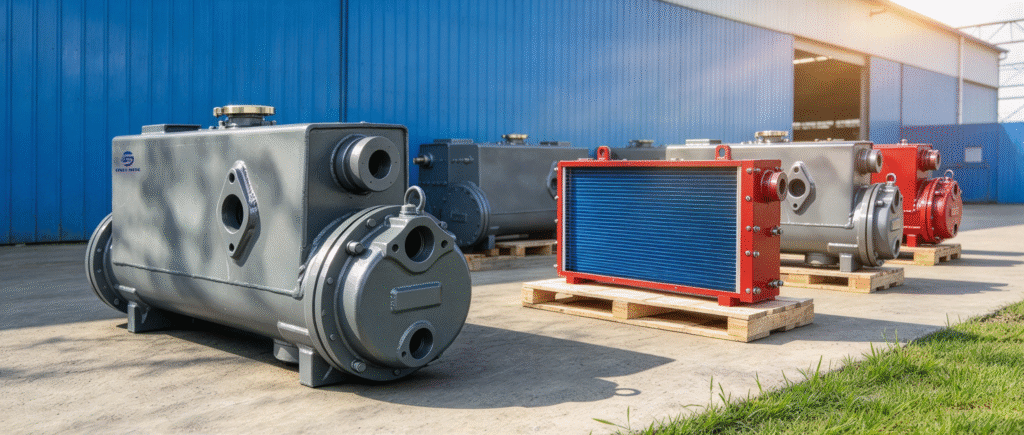
The primary function of an intercooler is to cool the high-temperature intake air compressed by the turbocharger. Compressed air can reach temperatures exceeding 150°C; the intercooler lowers this temperature, increasing air density and oxygen content.
This ensures complete fuel combustion, stabilizes the generator’s power output, and reduces the thermal load on the cylinders. If an intercooler becomes clogged, develops a leak, or experiences a decline in heat-exchange efficiency, it creates a bottleneck in the entire cooling chain.
The consequences of an intercooler failure tend to cascade.
Initially, excessively high intake air temperatures lead to a direct loss of engine power and a reduced load-carrying capacity, preventing the unit from reaching its rated output.
Sustained high-temperature intake air causes abnormal combustion within the cylinders, increasing the risk of engine knocking and accelerating the wear and aging of components such as pistons, valves, and fuel injectors.
Continued operation in this compromised state can lead to excessive exhaust temperatures, causing overheating and damage to exhaust piping and the turbocharger.
In severe cases, this triggers the unit’s high-temperature protection system, resulting in an emergency shutdown. In scenarios such as unmanned overseas project sites or marine vessels, such sudden shutdowns often cannot be addressed immediately, and the resulting losses from downtime far exceed the cost of replacing the faulty component.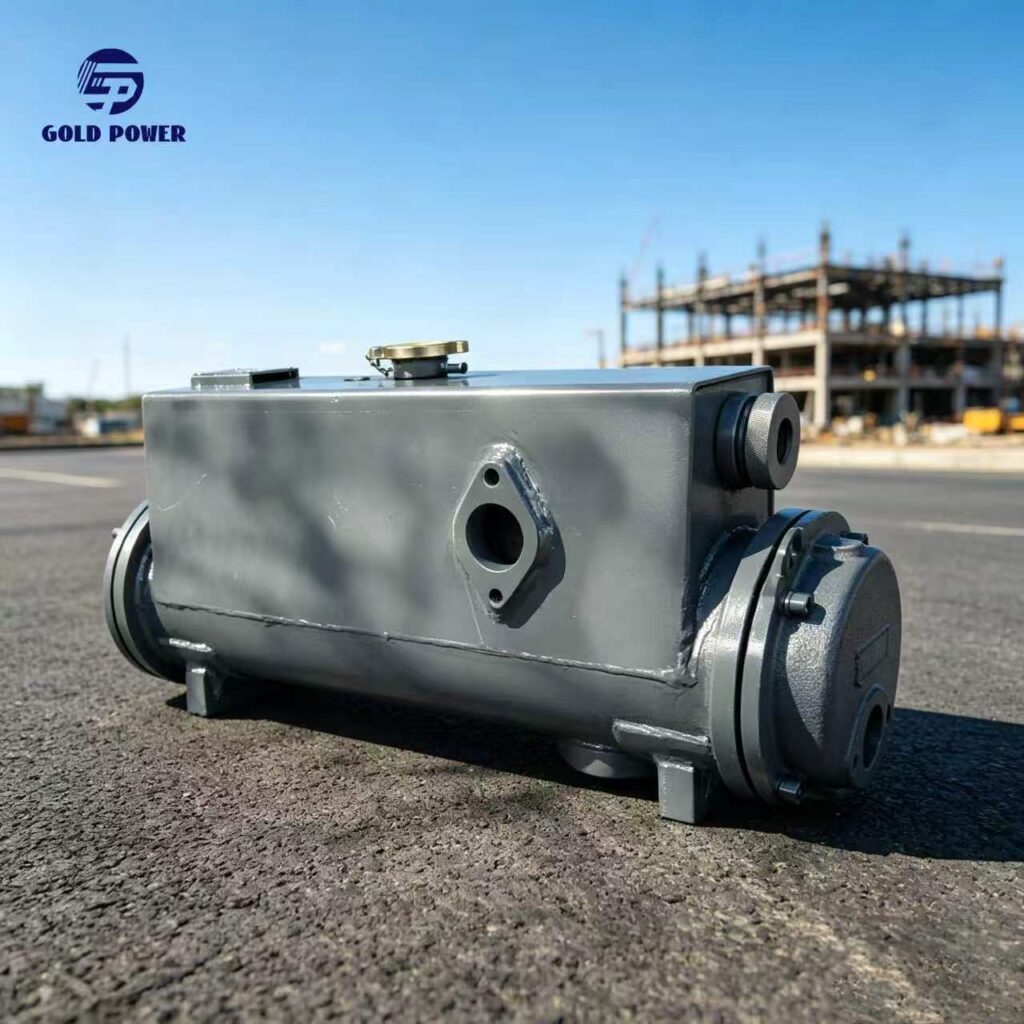
The common causes of intercooler failure generally fall into three categories.
The first issue is clogging: dust at construction sites, salt spray in marine environments, or oil residue can accumulate in the gaps between cooling fins, effectively reducing the heat-exchange surface area.
The second issue is leakage: vibrations and corrosion can damage copper tubes or welded joints, leading to compressed air leaks.
The third issue is material degradation: prolonged exposure to fluctuating high-temperature conditions can cause fins to deform or welded joints to detach.
While intercoolers featuring cupronickel tubes and copper fins offer superior corrosion resistance compared to aluminum alternatives, they still require regular inspection and maintenance when operated in high-salinity or dusty environments.
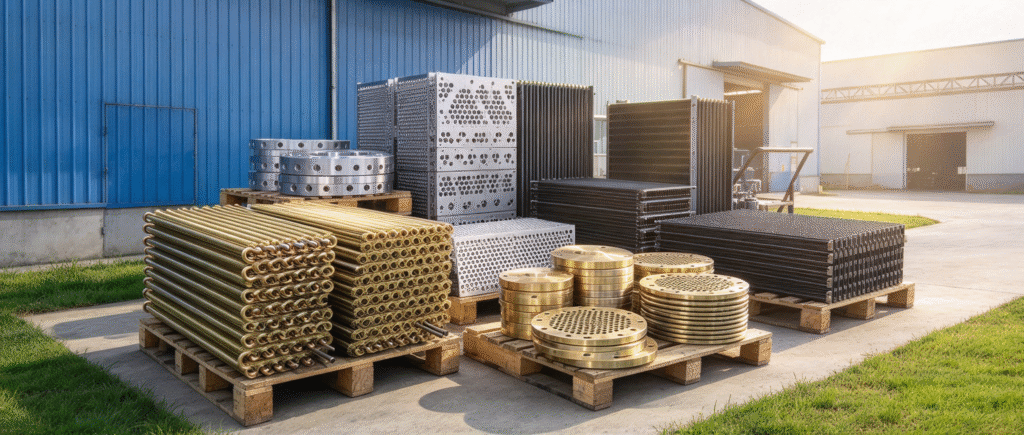
Establishing a standardized, proactive inspection mechanism is the most cost-effective way to mitigate the risk of unplanned downtime.
Routine inspections should encompass two aspects: visual checks and operational data monitoring.
Visual inspections should focus on the intercooler housing and pipe connections for signs of air leaks, as well as checking whether the cooling fins are obstructed by debris or oil, or if they have become deformed or flattened.
Operational monitoring should focus on recording intake and exhaust temperatures while the unit is under full load; comparing these figures against the manufacturer’s baseline parameters is crucial—a significant reduction in the temperature differential between the intake and exhaust indicates a decline in heat-exchange efficiency, necessitating timely intervention.
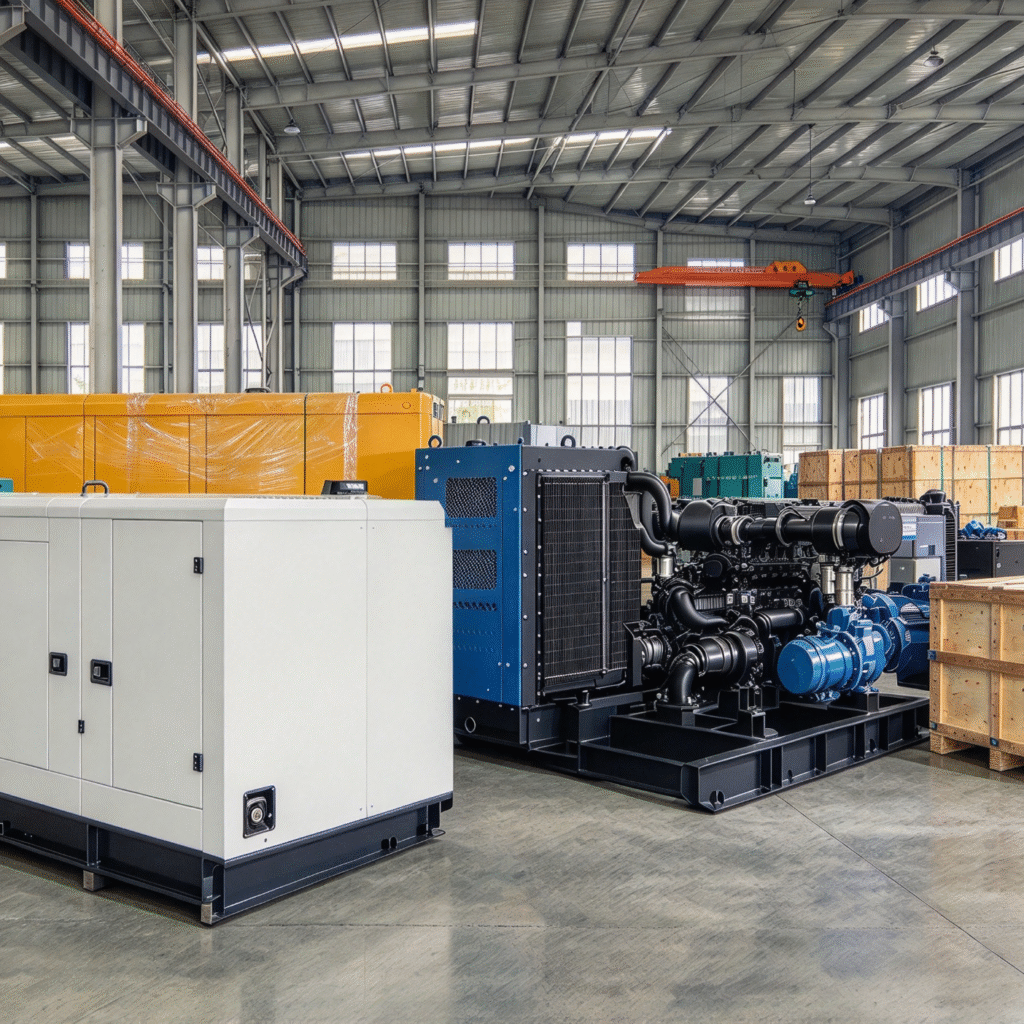
Regular, in-depth maintenance is essential. In dusty construction environments, it is recommended to clean the cooling surfaces quarterly.
In marine environments with high salinity, the frequency of freshwater rinsing should be increased to prevent the accumulation of salt crystals, which can cause corrosion.
If leaks or severe clogging are detected, the unit should not remain in service; instead, it should be repaired or replaced using compatible original equipment (OE) parts to ensure precise fitment and optimal heat-exchange performance. When selecting replacement parts, verify that the part number, dimensions, and material specifications match the original components to prevent secondary failures caused by mismatches.
The cooling system of a generator set functions as an integrated, coordinated unit. Although the intercooler is relatively compact, it represents a critical potential bottleneck in turbocharged engines.
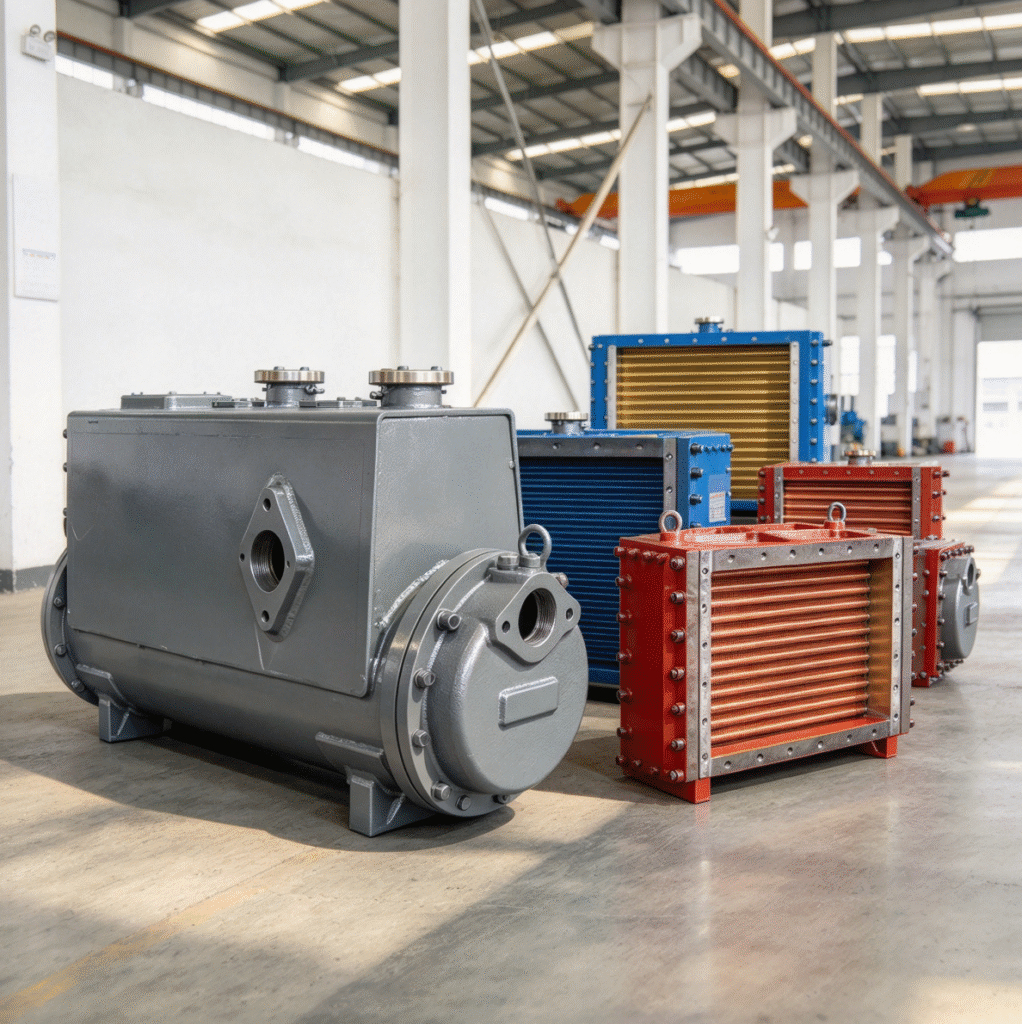
By implementing consistent inspections and regular maintenance—addressing issues as soon as they emerge—operators can avoid unexpected downtime, extend the overall service life of the engine, and reduce long-term operation and maintenance costs for overseas projects.