
In settings such as mines, construction sites, coastal industrial facilities, and remote field operations, generator sets are frequently subjected to a combination of extreme conditions:
high temperatures, high humidity, heavy dust, and high corrosivity.
Sustained high temperatures can cause power systems to overheat and lose output capacity; humid air accelerates the degradation of electrical insulation; dust clogs cooling pathways; and salt or corrosive gases gradually erode metal components.
Often, the failure of backup power systems is not due to inherent defects in the equipment itself, but rather the lack of a protective strategy tailored to the harsh environment—leading to frequent downtime and premature component wear, which in turn creates power supply risks for the project.
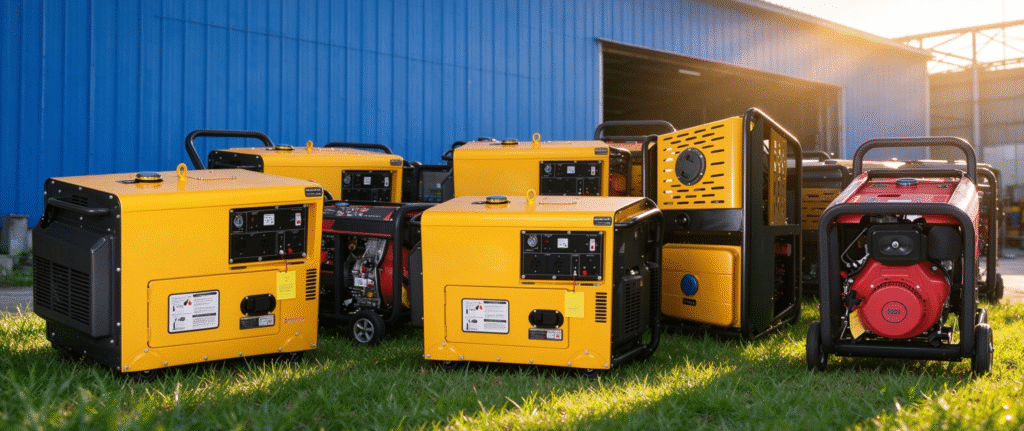
Achieving stable, long-term operation requires a comprehensive approach covering three key areas: hardware selection, environmental isolation, and routine maintenance.
I. Customized Hardware Selection: Targeted Defense Against Harsh Environmental Factors
Hardware serves as the first line of defense. Standard, off-the-shelf generator sets are generally unsuitable for harsh environments; instead, specific upgrades must be implemented to address these four types of challenging conditions:
- Addressing High Temperatures:** Prioritize the enhancement of the cooling system by incorporating larger-capacity oil coolers, intercoolers, and heat exchangers to ensure sufficient thermal headroom. Manage the unit’s load to avoid prolonged operation at full capacity. Additionally, use specialized high-temperature engine oil to minimize thermal degradation and prevent heat-related damage to pistons and cylinder blocks.
- 2.Addressing High Humidity and Corrosivity:** Apply moisture-resistant varnish (impregnation) to generator stators and rotors, and install dehumidifying heaters within control cabinets. Apply heavy-duty anti-corrosion coatings to the entire unit, and ensure that bolts and piping are made from corrosion-resistant materials. In coastal environments, incorporate salt-mist filtration systems to block the ingress of corrosive, moisture-laden air.
- 3. Addressing High Dust Levels:Upgrade to multi-stage air filtration systems and install dust-proof, rain-resistant covers to prevent sand and dust from entering the cylinders. Furthermore, ensure the design allows for quick and easy replacement of filter elements, thereby minimizing the accumulation of dust that could otherwise cause internal engine wear. Our factory provides a comprehensive range of supporting components—including coolers, gaskets, water pumps, and various original-specification spare parts—to facilitate on-site replacement and maintenance for our customers.
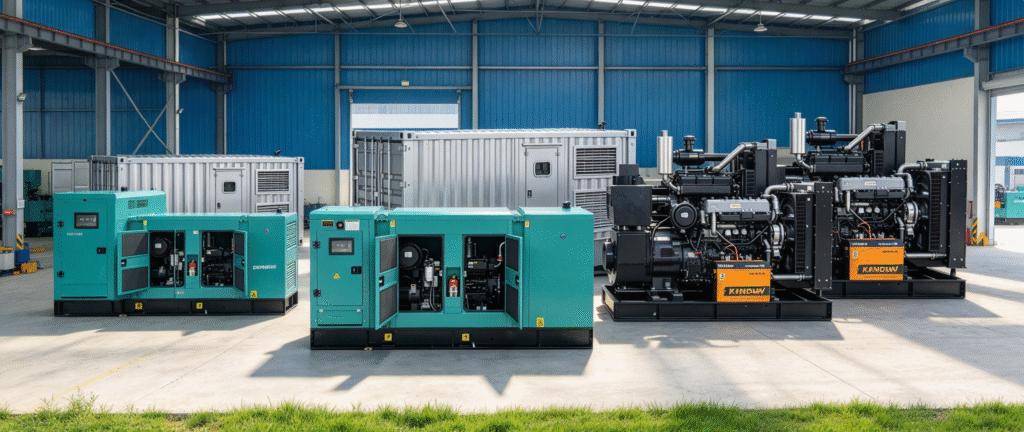
II. Establishing Environmental Isolation to Mitigate External Operational Stress
Even the best equipment will see its protective integrity severely compromised if left exposed in the open. Properly configuring the installation space can significantly reduce environmental strain.
- 1.Whenever possible, house the unit in a well-ventilated equipment room or an acoustic enclosure, ensuring protection against rain, sand, and direct sunlight. The space must allow for adequate airflow to prevent hot air from becoming trapped inside.
- 2.Elevate the unit’s foundation to keep it away from standing water, preventing the chassis from being continuously exposed to rainwater or ground moisture. Seal cable entry/exit points and gaps in the enclosure to prevent moisture and dust from infiltrating the electrical control system.
- 3. Position the unit away from sources of corrosive gases or areas with high dust emissions. If relocation is not feasible, install external windbreaks or dust shields to prevent pollutants from blowing directly onto the equipment.
While environmental isolation may seem simple, it is highly effective in extending maintenance intervals and reducing the likelihood of unexpected breakdowns.
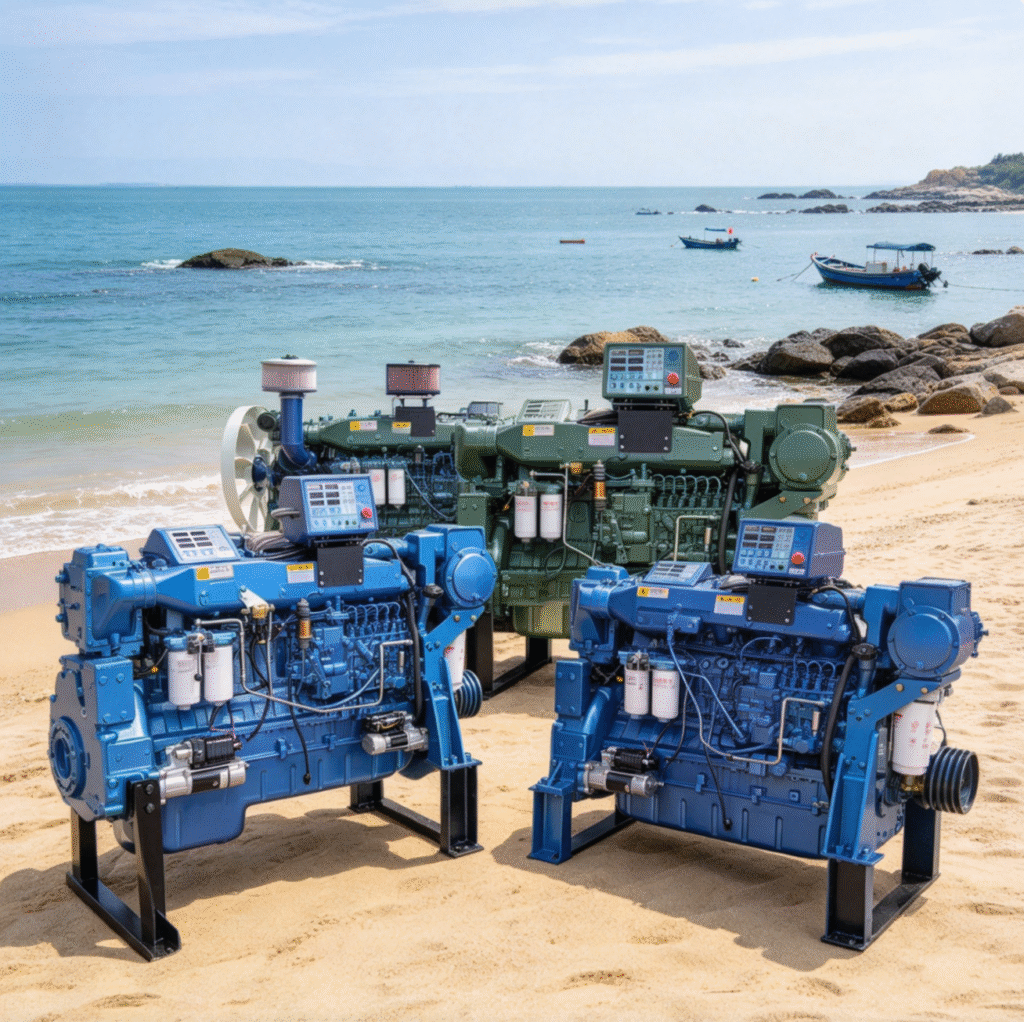
III. Implementing Standardized Operations and Maintenance for Long-Term Reliability
In harsh operating conditions, regular inspections and maintenance are far more cost-effective than emergency repairs following a failure. A structured maintenance protocol serves as a safeguard, ensuring long-term, stable operation.
1. Periodic Cleaning and Inspection: Regularly clear dust from cooling fins and cooler surfaces. Monitor the condition of air filters and replace them promptly if they become clogged. Inspect cooling circuits for leaks and replace aging gaskets proactively to prevent cooling system failure.
2. Electrical and Anti-Corrosion Inspections: Check wiring terminals and batteries for oxidation or rust, and ensure that the dehumidification system within the control cabinet is functioning correctly. If paint begins to peel or metal shows signs of rust, apply protective coatings immediately.
3. Load Testing and Spare Parts Inventory: Conduct regular test runs under load to uncover potential issues early. Maintain an on-site stock of frequently replaced, minor components—such as filter elements, gaskets, and cooling system parts—to ensure rapid replacement and minimize downtime during power outages.
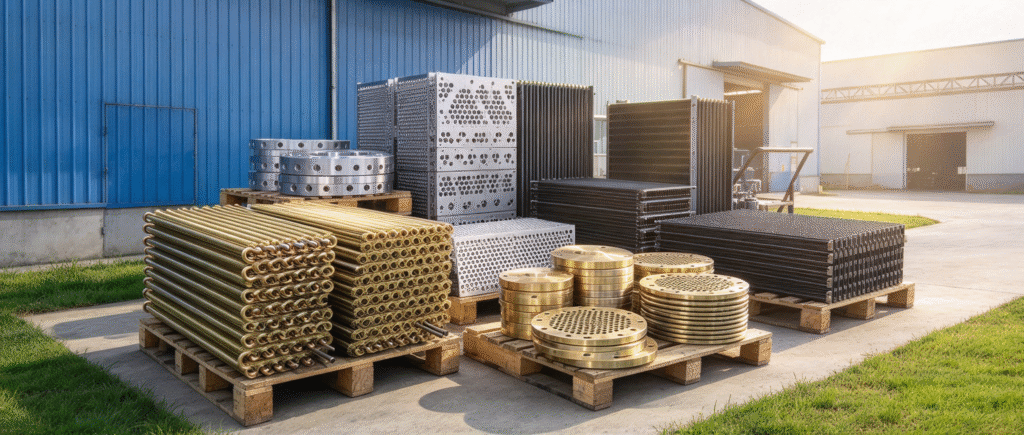
Ensuring the long-term, reliable operation of generator sets in harsh conditions does not depend on a single component or a one-time modification; rather, it requires a comprehensive strategy combining “optimized hardware, environmental isolation, and ongoing maintenance.” Many clients involved in overseas engineering and field-based projects choose us precisely because we offer not only complete generator sets but also a full range of cooling components and engine spare parts.
With reliable lead times and cost-effective solutions, we provide robust, end-to-end support for our clients’ backup power needs. By proactively planning for protection, generator sets can deliver consistent, reliable power even in the most demanding environments—ensuring they never fail when they are needed most.