Using Original Equipment Manufacturer (OEM) Parts to Lower Total O&M Expenses
For the exact same 500kW generator set, two different clients ended up with vastly different cost outcomes.
One client, seeking a bargain, opted exclusively for aftermarket (non-OEM) parts, saving 40% on the purchase price of individual components. Yet, within just three years, major overhauls revealed a series of failures: deep scoring on cylinder liners, a completely burnt-out turbocharger shaft, and repeated cylinder head gasket blowouts—leading to endless, costly rework.
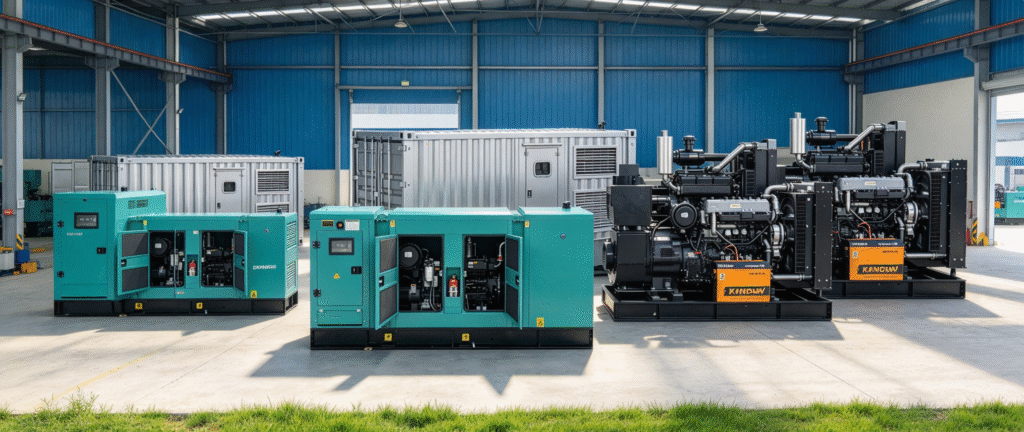
Another client insisted on using complete sets of OEM parts. While the upfront purchase price appeared higher, a three-year total cost analysis showed they actually saved a significant amount of money.
The real difference isn’t the price of an individual part; it’s the total cost of operation and maintenance (O&M)—encompassing parts procurement, labor hours, losses from downtime and production stoppages, collateral damage to other components, and the loss of warranty coverage.
To effectively drive down O&M costs, focus on these three practical strategies.
I. Move Away from Ad-Hoc Purchasing: Adopt Bundled Maintenance Kits Based on Operating Hours
- Create maintenance packages based on operating hours rather than replacing parts only when they fail. Implement a tiered system: a 250-hour “minor” maintenance kit (oil, fuel, and air filter checks, plus draining the oil-water separator); a 1,000-hour “intermediate” maintenance kit (fluid analysis, water filter replacement, and belt tension adjustment); and comprehensive overhaul kits. Purchasing in bundles eliminates the need for last-minute, piecemeal procurement.
- Establish annual supply agreements with the OEM or an authorized distributor to lock in pricing and delivery schedules. This avoids the need for emergency air freight—where the shipping cost for a single filter can sometimes exceed the price of an entire case of filters.
- Look at the “big picture” rather than the price of individual items. An unexpected generator breakdown—involving production losses, collateral damage to other components, and the voiding of the manufacturer’s warranty—can easily cost far more than the 40% saved by choosing aftermarket parts.
II. Perform a complete overhaul by replacing all components as a set; do not disassemble the engine to replace only individual parts.
A standard major overhaul is typically required every 10,000–15,000 operating hours; follow the manufacturer’s manual strictly. Since the engine has already been fully disassembled, ensure a comprehensive repair—do not risk future issues just to save a small amount of money.
- Replace all core power components. Install a complete set of new cylinder liners, pistons, piston rings, main bearings, connecting rod bearings, and cylinder head gaskets. Either re-grind the valves or replace them entirely. Test all fuel injectors and replace any that fail to meet specifications. Simultaneously replace the water pump and thermostat. Because engine disassembly and reassembly are labor-intensive and time-consuming, avoid the need for a second teardown shortly after the overhaul.
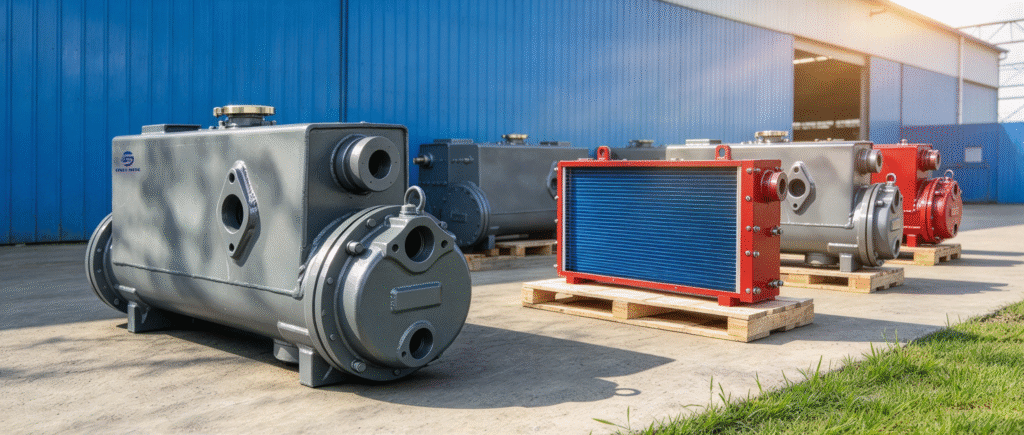
- Replace associated system components. This includes the oil cooler core, the turbocharger assembly (or its repair kit), intake and exhaust manifold gaskets, and fuel filter housing O-rings. Additionally, inspect and replace the generator’s front and rear bearings, as well as the AVR (Automatic Voltage Regulator) module. Reinstalling an old turbocharger onto a freshly overhauled engine will likely lead to another failure within 1,000 operating hours.
- Upon completion of the overhaul, conduct a stepped load test. Operate the engine by applying loads in stages—50%, 75%, and 100%—while recording exhaust temperature, oil pressure, and coolant temperature at each interval. Retain these complete test records; they serve as both proof of a successful overhaul and a baseline reference for future maintenance.
III. Manage spare parts inventory and incoming inspections; invest in ensuring the authenticity of parts and maintaining accurate records.
- Implement a tiered inventory management strategy. Keep a small stock of high-wear items—such as filters (oil, fuel, and air), belts, water seals, and fuel injection components—on hand. For major components like cylinder liners and pistons, there is no need to maintain stock; instead, procure them as needed through annual supply agreements to minimize capital tie-up.
- Perform three key checks during the incoming inspection process: verify the anti-counterfeit markings and original manufacturer packaging, strictly cross-reference the part numbers, and take photographs for documentation and archiving. Many aftermarket parts are designed to look identical to the originals; their quality defects only surface after hundreds of hours of operation—by which time it is often too late.
- Maintain comprehensive maintenance records. For every part replacement, log the unit’s total operating hours and the part’s batch number, then cross-reference this with fluid analysis data. If a specific type of component consistently fails to reach its designed service life, it either indicates the use of counterfeit/aftermarket parts or points to an underlying issue with the unit’s operating conditions—both of which require immediate investigation to identify the root cause.
A Final Thought
Having worked in generator set maintenance for many years, I have seen far too many clients fall into these traps. Paying a premium for genuine parts isn’t a loss; conversely, opting for cheap aftermarket alternatives often proves much costlier in the long run. When you amortize the price difference of a full set of genuine parts over thousands of operating hours, the incremental cost becomes negligible. In contrast, a single breakdown caused by an inferior part can result in losses equivalent to half the price of an entire unit.
Cost reduction is never achieved by purchasing cheaper parts; it is achieved by minimizing breakdowns, reducing the need for rework, and preventing unplanned downtime.
When preparing major overhaul quotes for clients, provide a detailed, line-item list of all components—cylinder liners, bearings, gaskets, turbochargers, water pumps, and so on. Once clients understand why a complete set of parts should be replaced at once, they are generally much more receptive to the quote.
If you are unsure about the specific list of parts required for a major overhaul of your particular model, simply send me the equipment nameplate details and the current operating hours, and I will put together a complete, itemized list for you.